Keeping Cool in Style: Summer Health and Fashion Tips for Dogs with Canine Expert, Dr Emma

dog running on beach in perfect dog harness

As we continue to see high temperatures for the next few weeks, it’s not just humans who need to adapt their routines—our dogs do too. At Bew Dogs, we believe summer is the perfect season to combine wellness and fashion, and we’ve asked canine expert Dr Emma Scales-Theobald (@dremmacanineexpert) to give her take on how best to keep our pooches well all Summer long. From breathable accessories to practical health advice, here’s how to keep your pup cool, safe, and stylish this Summer.

Bew Dogs’ Tips for Summer Style & Comfort

As pet stylists and dog lifestyle specialists, we’ve worked with every breed, coat type, and temperament. At Bew Dogs, we design stylish, comfortable walking accessories for small to medium dogs, made for everyday use rather than training or heavy no-pull correction. Our top summer styling and comfort tips are:

1. Choose Breathable Fabrics

Our harnesses and accessories are made with lightweight, breathable mesh that allows for ventilation and comfort during walks or playtime – our summer harness is also a slimline version with minimal fabric. It’s always best to avoid heavy materials that can cause overheating.

If your dog is comfortable walking in a collar, summertime is a great time to switch to a breathable and lightweight collar.

Dr Emma’s take:

Remember, dogs can’t sweat! They pant to keep themselves cool, therefore ensuring your dog is in breathable fabrics will help keep their bodies cooler, so they don’t have to pant as much.

In temperatures over around 24°C, only do short and gentle walks with your dog to avoid them overheating. Consider avoiding doing a walk at all if it is too hot for your dog, like during a heatwave.

2. Go for Light Colours

Dark colours absorb heat, while lighter tones reflect sunlight—plus they look great in the sunshine. Pastels and neutrals are trending in dog fashion and are perfect for a fresh summer vibe.
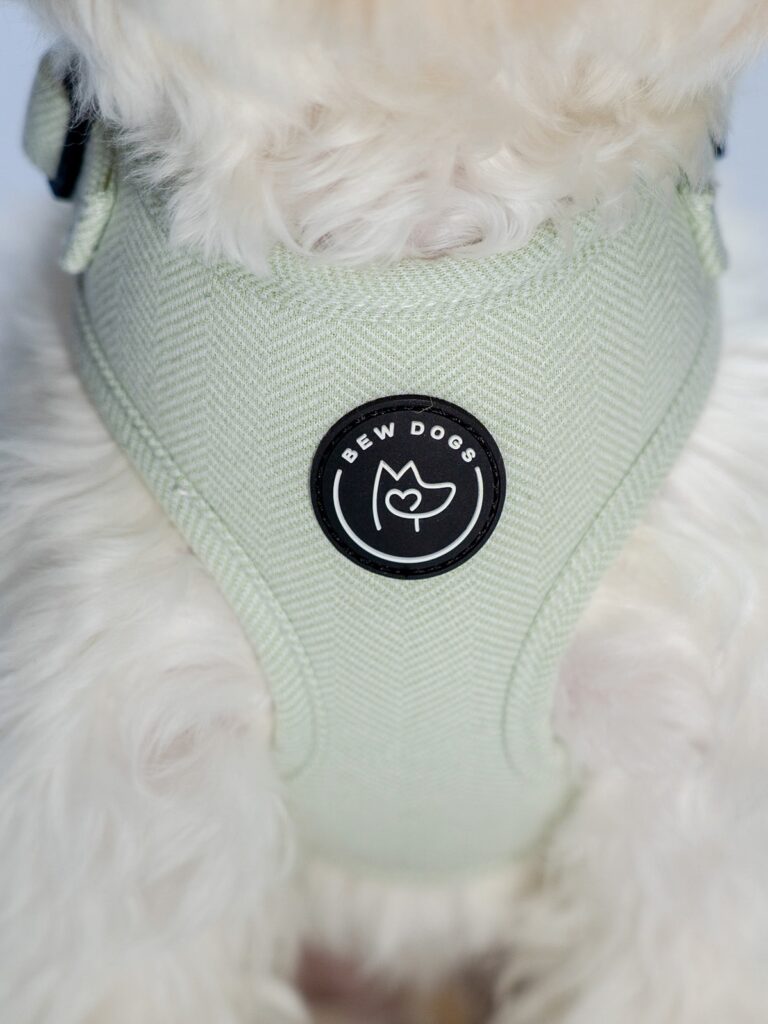
Dog wearing a light green cooling harness with Bew Dogs logo.

3. Protect the Paws

Asphalt and pavements can get dangerously hot. We recommend checking the ground temperature with your hand and avoiding midday walks.

Dr Emma’s take:

Dogs paws can seem rugged and rough, but they are just as sensitive to temperature as we are. If it’s too hot for your hand, it’s too hot for their paws.

Even artificial grass can get surprisingly hot and burn those little paws! Encourage your dog to walk on grass instead, which can remain a lot cooler on even the hottest days.

If possible, walk your dog early in the morning and/or late in the evening when it’s cooler and avoid the heat of the day.
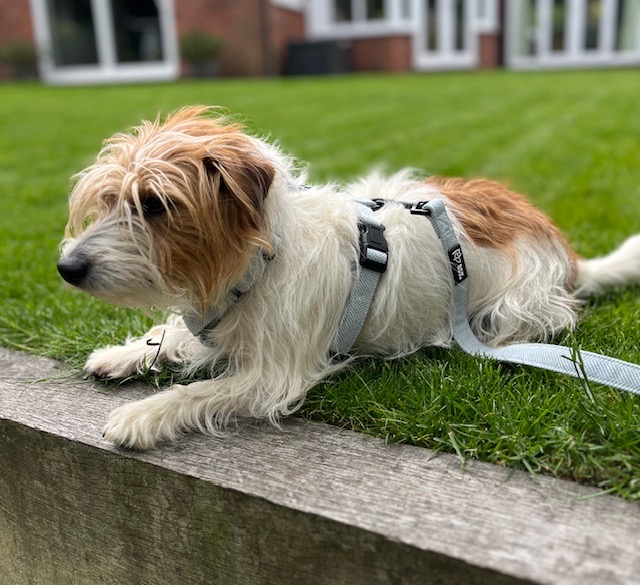
a cute scraggy dog with white and light brown patches, sitting on a lawn wearing a well fitting summer harness and lead

4. Well-fitting accessories are a MUST

The number one question we get asked at events is why a harness is rubbing under a dog’s front legs. The answer is really simple: the harness doesn’t fit correctly. Well fitting accessories are important all year round BUT during summer months, there is more chance of a poorly fitting harness wreaking havoc on your pet’s skin.

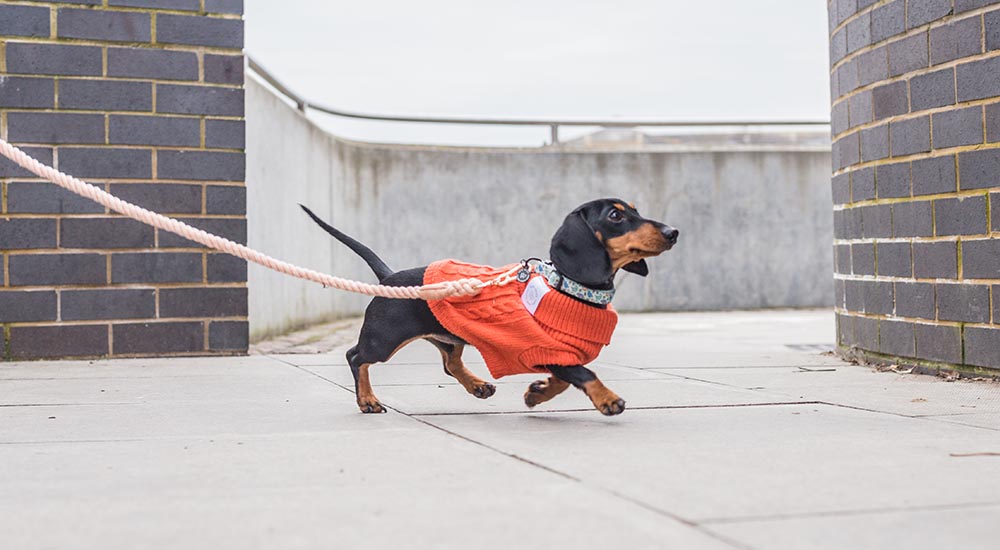
For a perfect fit – especially on hard-to-size breeds such as dachshunds or frenchies – it’s really important to choose a harness that adjusts sufficiently around both the neck and body! This ensures that a harness is comfortable and safe… and we’ve got a 100% success rate in sizing dogs of all shapes and sizes. We are so committed to ensuring all dogs wear a well-fitting, comfortable harness or collar that we offer an online sizing service (just DM us so we can give you a hand) and FREE returns should your received accessory not be the perfect size first time round.

Dr Emma’s take:

Dogs often hide their feelings of pain, so seeing where a harness has rubbed is often the first sign of an ill-fitting harness. If left, a poorly fitted harness can cause fur loss, skin lesions and infections.

Behavioural signs to look out for also include stress and heavy panting, anxiety and reluctance to go for a walk, excessive scratching/rubbing when it’s on, changes in how they move, their activity levels, and even aggression. These behaviours can cause your dog to get hotter, so a well fitted harness is extra important during the summer. Fitting their harness perfectly will keep them happy and improve their overall quality of life!


Canine Summer Health: Expert Tips with Dr Emma

We’ve asked Dr Emma to weigh in on the key health concerns for dogs in the summer months. Find out everything you need to know to keep your dog safe this summer with the following Q&A:

Q1: What are the early signs of heatstroke in dogs, and how can owners respond quickly?

Watch out for signs of heatstroke in your dog! Signs include lethargy, excessive panting, excessive drooling, bright red gums, rapid heart rate, diarrhoea, vomiting, and confusion. If you’re concerned about your dog, try to cool them with cold water and get them to a vet as quickly as you can.

Q2: Are certain breeds more at risk in the heat? What special precautions should owners take?

All dogs have the potential to develop heatstroke, but some are more sensitive to the heat than others. These include brachycephalic (flat face) breeds, elderly dogs, young dogs (under 6 months old), overweight dogs, dogs with thick coats and those with respiratory and/or heart related health conditions.

If your dog is more at risk of heatstroke, it is important to take extra precautions to keep them cool by ensuring they have plenty of water and shade, avoiding walks and providing cooling aids, such as cooling mats.

Q3: How often should dogs be groomed in summer, especially double-coated breeds?

Grooming your dog more frequently during the summer can help them with regulating their temperature. This could be every few days or so, depending on the length and type of coat. Regularly grooming your dog can help them feel cooler by removing excess loose hair and potential mats that would trap the heat. However, ideally avoid shaving double coated breeds because their coats are designed to protect their skin from the sun and help to regulate their temperature.

Q4: Is it safe to use dog-safe sunblock, and when should it be applied?

Dog- safe suncream can help protect delicate areas of your dog’s exposed skin from the sun. Not all dogs need it, but those with thin hair, no hair, white/light coloured fur and pink skin exposed can benefit from the protection.  Typically, this could be applied to areas such as to the top of the dog’s nose/snout or their ears. Hairless dogs may require it all over.

It’s important to use dog-safe suncream instead of your own because human suncream can be toxic for dogs. Additionally, remember to reapply it every few hours, especially if your dog has been in water.

Q5: What are your top do’s and don’ts for keeping dogs safe during heatwaves?

Here are some of my top safety tips for your dog during a heatwave:

Do

-Make sure your dog always has water available. If you can keep the water cool, then even better. As well as trying to keep it in the shade, you can buy specially designed water bowls to keep it cool or add some ice cubes to it.

-Provide your dog with plenty of shade.

-Walk your dog during early morning and/or late evening to avoid the heat and take regular breaks.

-Walk your dog on grass, if possible. Grass is best for your dog to walk on outside because it stays much cooler.

Don’t

– Don’t leave your dog unattended in the car. It heats up quicker than people expect and can be deadly.

-Don’t walk your dog in the ‘midday sun’. Between around 11am-3pm are typically the hottest parts of the day. But depending on how extreme the heatwave is, the temperature could get too much for your dog earlier or later than that!

-Don’t walk your dog on tarmac. Tarmac absorbs heat and can get extremely hot – potentially burning your dog’s paws!

-Don’t ignore signs of distress. Keep a close eye on your dog’s behaviours for signs of heat stress and potential heatstroke.


Final Thoughts

Summer is a time for adventures, but our dogs rely on us to make those days safe, stylish, and stress-free. With a combination of expert-approved health practices and Bew Dogs’ fashionable, functional accessories, you and your dog can enjoy the sunshine with confidence.

Got a summer style story or health question? Drop us a message on Instagram, at [email protected] or visit our shop at www.bewdogs.co.uk.

Keen to learn more out dog wellness? Dr Emma has a wealth of information and free guides on her website.

Stay cool,
Team Bew Dogs & Dr Emma

Top Dog Walking Tips to Make Your Strolls Stress-Free and Fun

dog walking tips shared , here is a small black poodle wearing a peach harness

Dog walking tips – Daily walks are one of the most important parts of a dog’s routine. They provide exercise, mental stimulation and a chance to explore the world through scent, sound and movement.

But great walks don’t just happen — a little preparation and the right kit can make them calmer, safer and far more enjoyable for both you and your dog.

Here are some simple dog walking tips that can make a big difference to every walk.

Dog Walking Tips – Bew Dogs’ Quick Take

Dog walking tips include using high quality dog walking accessories and bringing water for your dog. Staying alert to your dog’s behaviour helps ensure a safe and enjoyable walk for both of you.

Key Takeaways

• Ensure lead and harness are in good condition for safety and control during walks

• Establish consistent walking routines to manage energy levels and reduce anxiety.

• Carry water, treats, and poo bags to meet your dog’s needs during outings.

• Use positive reinforcement and basic commands to ensure safety for your pooch.

• Monitor your dog’s body language to adjust walks for comfort and safety.

1. Make Sure Your Dog’s Harness Fits Properly

A poorly fitted harness can make walks uncomfortable for your dog and frustrating for you. If a harness is too tight it can restrict movement, and if it’s too loose a dog may be able to wriggle free.

A well-fitted harness distributes pressure across the chest rather than the neck, which can make walks more comfortable and give owners better control.

If you’re unsure about sizing, our expert guide on how to fit a dog harness explains how to measure correctly and choose the right size.

2. Let Your Dog Stop and Sniff

small dog out for a dog walk

Walks aren’t always just about physical exercise. Dogs experience the world primarily through scent, and sniffing is an important form of mental stimulation.

Allowing your dog time to investigate interesting smells can actually make walks more satisfying for them and help reduce boredom or frustration at home.

Many behaviourists refer to this as a “sniff walk”, and it can be just as enriching as physical exercise. Some pet experts recommend having different walking products for your dog depending on the type of walk they’re heading out on – think of a special collar or harness for sniff walks – your dog will quickly learn that the special wearable means a sniff walk is on the plan for today.

3. Choose the Right Walking Gear

The gear you use can have a big impact on how enjoyable a walk feels.

A well-fitted and comfortable dog harness and lead can help keep your dog secure while distributing pressure safely across their body. This is especially helpful for strong dogs or enthusiastic walkers who tend to pull.

Many owners also prefer practical accessories like a hands-free walking bag, which keeps essentials like treats, poo bags and keys easily accessible during longer walks. And of course – always remember your eco-friendly and bio-degrable poo bags so you don’t get caught short. Ensure these are always available in your walking bag, or consider a holder, which attaches to your lead – ensuring these essentials aren’t forgotten (which if you’re like us can happen too easily)!

4. Turn Walks Into Training Opportunities

dog out for daily dog walk

Walks are a great time to reinforce good behaviour.

Simple things like rewarding calm walking, practising recall or asking for short moments of focus can help build stronger communication between you and your dog.

Bringing a few small treats on walks can help reinforce positive behaviour and make training feel natural rather than structured. It doesn’t always have to be the focus of every walk, just some light training reguarly, upto 5 minutes at a time will go a long way.

5. Keep Walks Interesting

Dogs thrive on variety. Changing walking routes, visiting new parks or allowing time for exploration can make walks far more stimulating.

Even small changes — like walking at a different time of day or exploring a new path — can provide new smells, sounds and experiences for your dog.

Mental stimulation is just as important as physical exercise for a happy, balanced dog.

6. Stay Safe in Busy Areas

When walking near roads, parks or busy public spaces, keeping your dog securely attached to a well-fitted harness and lead helps prevent sudden lunges or distractions.

Many dogs will try to investigate dropped food, wildlife or other dogs during walks, so having good control makes it easier to guide them calmly and safely.

A properly fitted ID tag with current contact information is essential. Depending on where you go for walks, when appropriate, maintain a safe distance from other dogs and wildlife.

7. Enjoy Your Walks Together!

dog resting whilst out for long walk

7. Walking in Different Conditions

dog out walking with lead

Walking your dog in different weather conditions requires careful planning to guarantee their comfort and safety.

During hot weather, schedule your dog walk early in the morning or late in the evening to prevent overheating. Provide frequent water breaks.

In cold weather, opt for shorter walks to protect sensitive paws from frostbite. Consider using booties for added protection and traction.

Rainy conditions call for drying your dog afterward to avoid skin irritations. Pay attention to icy paths in winter, which pose slipping hazards. Booties can help here too.

When visibility is low, like in fog, adjust your walking routes and duration to maintain safety.

  • Plan walks during cooler times to avoid overheating.
  • Use booties for better traction on icy paths.
  • Adjust routes for visibility in fog.
  • Shorten walks in extreme cold.

Final Tip: Enjoy the Walk Together

At its heart, dog walking isn’t just about exercise — it’s about shared time and connection. Walks provide opportunities for training, exploration and bonding, all while helping dogs stay physically and mentally healthy.

Using comfortable, reliable walking gear goes a long way to making your daily adventures even more enjoyable for both dog and owner.

Explore our range of dog harnesses, leads and walking sets designed to support relaxed, everyday walks – where safety and comfort are a top priority.

Frequently Asked Questions

How Do I Get My Dog to Stop Pulling on a Walk?

Stop moving whenever your dog pulls; they’ll learn pulling doesn’t work. Use a click or whistle to refocus their attention. Praise and treat when they walk beside you. Practice “leave it” to manage distractions effectively.

How to Get Good at Dog Walking?

Master dog walking by maintaining a consistent routine. Use positive reinforcement to encourage good behaviour. Adjust walks based on your dog’s needs, and always be prepared with essentials. Practice commands regularly to enhance control and enjoyment.

What Is the Proper Way to Walk a Dog?

Make certain your dog wears a comfortable, well-fitted collar and lead. Introduce the lead positively, maintain control, and stay alert to surroundings. Encourage good behaviour with treats. Let them explore safely, and practice road safety consistently.

How Do I Get My Dog to Be a Better Walker?

Start by using positive reinforcement with treats and praise to encourage calm walking. Practice commands like “heel” during walks, gradually exposing your dog to distractions. Consistency and structured training improve leash manners and reduce pulling.

Why Do Dogs Bring You Toys? Understanding Your Pet’s Playful Behaviour

Why Do Dogs Bring You Toys

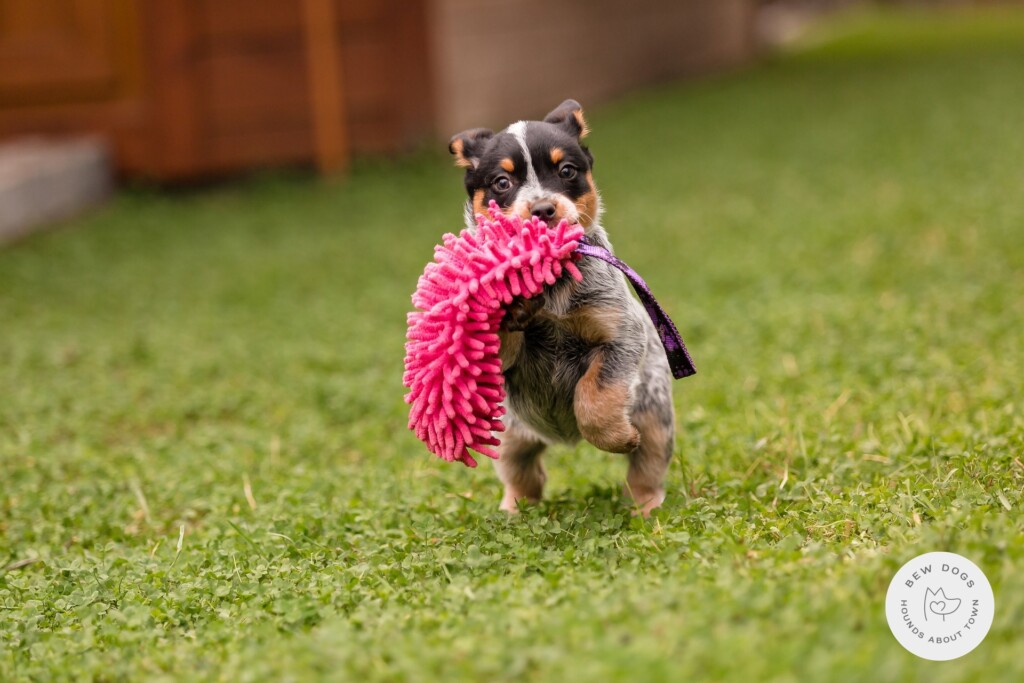
Why do dogs bring you toys? When your dog brings you their toys, it’s showing affection and trust, inviting you to play and interact. This behaviour indicates your dog seeks mental engagement and physical activity.

It’s a clear sign of the bond you share, reflecting their comfort and security in your presence. Dogs use toys to communicate their need for your attention, affection, and companionship.

This action underscores their desire for both emotional and physical connection, strengthening the unique relationship you have.

If you’re curious about the deeper meanings behind this behaviour, there’s much more to uncover.

Why Do Dogs Bring You Toys – Bew Dogs’ Quick Take

Dogs bring you toys to seek attention and play. It’s also a way they show affection and bond with you.

Dogs often bring toys because they want interaction — play, attention, or to go out and do something together. Many dogs actually prefer structured walks and interactive adventures with their owners. A comfortable harness and lead make those moments safer and more enjoyable for both dog and owner. Explore our harnesses and walking sets designed for everyday fun on walks.

Key Takeaways

•          Dogs bring toys to show affection and reinforce their bond with you.

•          Bringing toys is an invitation to play and interact.

•          This behaviour indicates their need for mental stimulation and comfort.

•          Bringing toys is a way to seek your attention and prompt playtime.

•          It reflects deep trust and emotional attachment, seeking reassurance and joy.

•          Dog behaviour includes bringing toys as a form of greeting and communication, driven by excitement, submission, and the instinct to present gifts.

Reasons for Bringing Toys

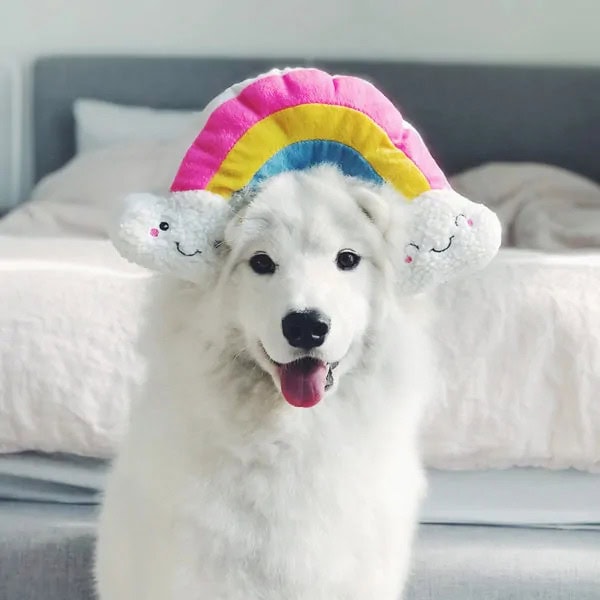
dog with dog toy on head

One of the primary reasons dogs bring you toys is to show their affection and reinforce the bond they share with you. When dogs bring a toy, they’re often inviting you to play, indicating their desire for interaction and fun.

This act is an expression of trust and a way to seek your attention. Additionally, a dog bringing toys can be a way for them to express excitement and submission.

Dogs bring toys to alleviate boredom and stimulate their minds, highlighting their need for mental engagement. It’s also a sign that they feel comfortable and secure in your presence. When a dog greets you with a toy, it is often a non-confrontational way to show joy and connection.

By bringing you their prized possessions, dogs demonstrate their readiness for physical activity and play, which strengthens your relationship and enhances their well-being.

Understanding this behaviour helps you better appreciate your dog’s emotional needs and the significance of a dog toy in their daily interactions.

Emotional Communication

Adorable poodle wearing a red bow tie surrounded by mini pumpkins and a plush carrot toy for autumn.

When your dogs bring you their toys, it’s not just an invitation to play but a heartfelt expression of how your dog loves you. This act signifies their desire for playtime and is a clear form of emotional communication. Additionally, when a dog shows you their toys, it indicates trust and affection.

Dogs bring toys to show their love, affection, and trust, reinforcing the bond you share. By offering you a toy, your dog communicates their need for attention and interaction, making it evident that they value your companionship.

This behaviour isn’t merely about the toy itself but about the emotional exchange and mutual understanding. Your dog’s actions reflect their innate desire to connect with you on a deeper level, highlighting the importance of nurturing this emotional bond.

Playtime and Interaction

Bringing their favourite toy to you is a clear sign that your dog wants to engage in playtime and interactive fun. When your dog brings a toy, it’s their way of signalling that they’re ready for some physical activity and mental stimulation.

This behaviour underscores their need for interaction and bonding.

For more ideas on how to enhance your dog walking experiences, check out these dog walking tips to make every outing enjoyable and fulfilling.

Playtime isn’t just about burning off energy; it also strengthens the emotional connection between you and your pet. Engaging in interactive play enhances your dog’s social skills and overall well-being. By responding to their toy offerings, you’re acknowledging their need for companionship and joy.

Why Walks Satisfy the Same Instinct

When a dog brings you a toy, they’re usually looking for interaction, stimulation and attention. It’s their way of saying they want to engage with you — whether that’s through play, training or simply spending time together.

Regular walks can satisfy many of these same instincts. Exploring new smells, seeing other dogs and experiencing different environments gives dogs the mental enrichment they naturally seek. In fact, for many dogs, a stimulating walk can be just as rewarding as a game of fetch.

Structured walks also help channel a dog’s energy in a positive way. Using a comfortable dog harness can make walks safer and more enjoyable, especially for strong or excitable dogs. A well-fitted harness distributes pressure across the chest and provides better control than a collar alone, helping owners guide their dog calmly through busy areas or exciting environments.

Many owners also find that bringing along training treats or a favourite toy during walks can turn everyday outings into opportunities for training and bonding. Practising recall, rewarding good behaviour and allowing time for sniffing all help meet a dog’s natural curiosity and desire for interaction.

For dogs that love carrying things, some even enjoy holding a toy during their walk or returning to their owner with it after a short game. Combining play with regular walks gives dogs both the physical exercise and mental engagement they need to stay happy and balanced.

If you’re looking to make daily walks more comfortable and enjoyable, explore our dog harnesses, stylish and durable leads and walking sets, designed to support safe and relaxed adventures together.

Attention-Seeking Dog Behaviour

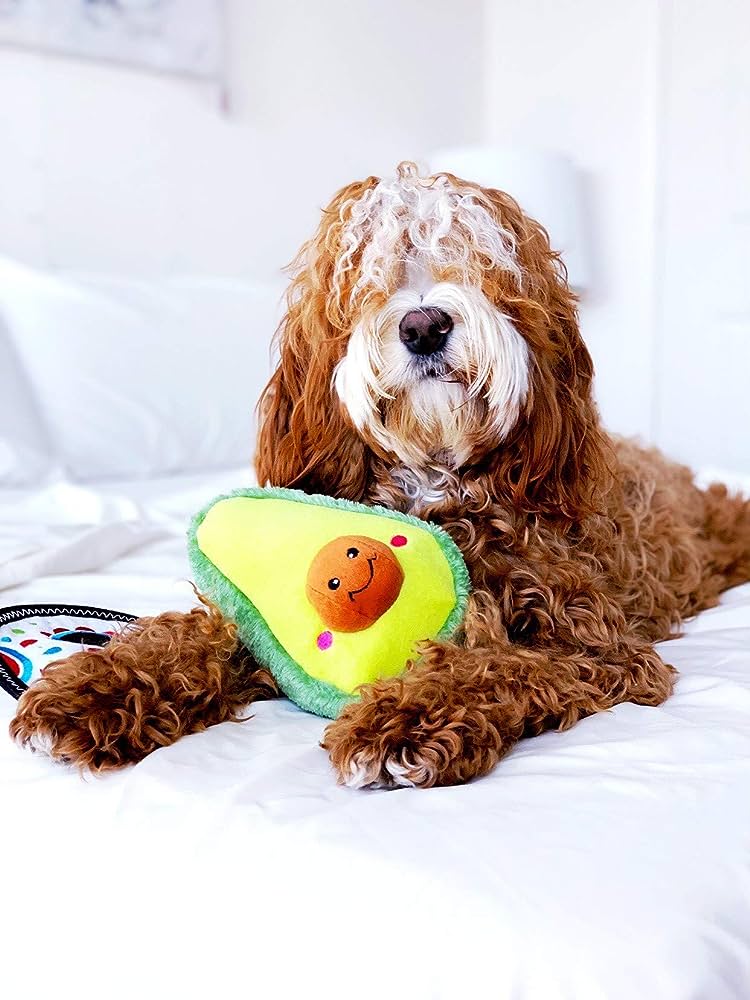
dog sat with toy showing that dogs love their favorite toys

Many dogs often bring toys to seek your attention, aiming to prompt engagement and interaction. This attention-seeking behaviour is a natural part of their social instincts.

When your dog drops a toy at your feet, they’re trying to engage you in play and interaction. It’s their way of saying, ‘Look at me!’ and hoping you’ll respond with affection and activity.

By offering you a toy, your dog is using a clear communication strategy to connect. This behaviour isn’t just about the toy itself; it’s about the bond and the interaction that follows.

Acknowledging and responding to these signals can strengthen your relationship, making your dog feel valued and understood.

Trust and Bonding

Your dog’s habit of bringing you toys isn’t just a playful gesture; it also reflects a deep trust and bond they feel with you.

This behaviour signifies a high level of bonding and emotional attachment. When your dog shares their prized possessions, they’re expressing affection and seeking reassurance from you.

Each toy they offer is a sign of the security they find in your presence. By bringing you toys, your dog isn’t only initiating play but also reinforcing the emotional connection you share.

This act is a profound display of trust, demonstrating that they see you as a dependable source of comfort and joy. Their actions highlight the deep bond that strengthens your relationship and position you as the pack leader.

Conclusion

When your dog brings you a toy, they’re not just being cute—they’re practically shouting their joy, trust, and desire for interaction from the rooftops. Recognising these signals can turn your bond into an unbreakable chain of mutual understanding.

Whether they’re inviting you to play or simply seeking your attention, knowing why your furry friend acts this way will make your relationship as strong as steel. So, next time, cherish that toy as a symbol of your incredible connection.

For many dogs, the same excitement they show when bringing you toys can also appear on walks—so it’s worth making sure they’re comfortable with the right harness size and practical gear like a hands-free walking bag. Check out lots more advice and expert guides on our blog.

Frequently Asked Questions

Why Does My Dog Bring Me Her Toys?

Your dog brings you her toys like a child offering their favourite teddy bear. She’s showing affection, seeking interaction, and wanting to play. This behaviour indicates her trust and desire for shared joy and mental stimulation.

Different dog breeds may have varying motivations for this behaviour based on their instincts and drives.

Why Does My Dog Bring Me a Toy but Not Let Me Take It?

Your dog brings you a toy but won't let you take it likely due to possessiveness or a desire to play. This behaviour stems from natural instincts to guard resources. Training can help mitigate possessiveness and build trust.

Why Do Dogs Bring You Toys When You Walk In?

When dogs bring you toys when you walk in, they are showing joy and seeking attention. This behaviour helps strengthen the bond between you and your pet, expressing their affection and excitement to see you

What Does It Mean When a Dog Carries a Favourite Toy Around?

When your dog carries a toy around, it’s often a sign they’re seeking your attention, wanting to play, or trying to alleviate boredom. This behaviour reflects their natural instincts and a desire to bond with you. This instinctual behaviour can be traced back to wild dogs, who exhibit similar actions in the wild.

Shopping bag

Your bag is empty

Coming Soon

This page will appear soon Coming Soon
Log in as a user